



6 essential financial tips for new parents.
Welcoming a new baby is one of life’s most miraculous events. While the joy is immeasurable, we understand that the financial aspect can feel a bit overwhelming at first. Thankfully, learning how to budget for a baby doesn't have to be stressful. We are here to help you navigate these changes with confidence and clarity.
The estimates we share below are based on retail pricing. Remember, you can often manage your first-year expenses even more effectively by checking for freebies, coupons, discounts, resale items, and hand-me-downs from your community.
Without further ado, here are the six main areas where you’ll likely find your largest first-year expenses, along with some essential financial tips for new parents.
Medical expenses
Medical care is a top priority for both you and your little one. Prenatal visits alone can cost anywhere between a couple hundred dollars to upwards of $5,000, depending on your insurance coverage.
Several factors influence your final cost, including the time of admittance, the type of delivery, where you live, and where you choose to deliver. It’s wise to expect that you will meet your insurance deductible and pay the maximum out-of-pocket expense when you have a baby.
According to parents.com, the average cost of a vaginal delivery is around $28,000 while C-sections will run you more at around $37,000. As a general rule, you can expect prenatal and delivery out-of-pocket charges for both you and baby to total $5,000.
Child care costs
Child care is often a significant part of financial planning for new parents. According to Care.com, the average cost for full-time infant daycare is $343 per week.
Here’s the good news: these costs drop as children grow. That big step up into the toddler room will result in a step down in your expenses. You can also earn tax breaks for daycare expenses and may even be able to divert pre-tax dollars through a work FHA program to receive reimbursement for childcare costs.
Of course, if you’re fortunate enough to have family nearby who are willing to watch your little one for free — even a couple days a week — this would provide enormous savings and a cherished bonding experience, too. For some families’ needs, hiring a nanny works well, especially if you don’t need full-time care. The average cost of nanny services in Pennsylvania per nannylane.com is $15.79 per hour.
Preparing their nursery
Setting up the nursery is costly, mainly due to the crib ($135 to $350), mattress ($50 to $250), and two sets of fitted sheets ($20 to $35). You’ll also need a changing pad ($12 to $30) and cover ($13 to $20). Some expecting parents purchase a changing table ($60 to $150) or invest in a changing dresser ($180 to $300) that can be used as a dresser as your baby grows up.
Feeding and nutrition
When learning how to budget for a baby, feeding costs vary based on your choices and circumstances. Depending on the type, families spend approximately $1,200 to $2,500 on infant formula for their baby’s first year. You’ll also need feeding bottles ($40 to $50) and may want a positioning pillow and spare cover ($65).
If you’re able and choose to breastfeed, that can save the cost of formula, but expect to spend approximately $200 to $525 on nursing supplies. These items include:
- Breast pump system with feeding bottles ($0 to $325)
- Milk storage bags ($20)
- Creams ($20)
- Nursing pads ($20)
- Three nursing bras ($75)
- Nursing pillow and spare cover ($65)
Pro tip! Some health insurance plans will cover the cost of a breast pump. Be sure to ask!
Babies typically start eating solid foods sometime during months 6 and 12. What you pay for food ($225 to $450 for six months) will depend on how early your baby starts eating. Some parents even make their own baby food. Don’t forget you’ll also need a high chair ($60 to $190) or a booster seat ($20 to $30) that straps to your dining room chair.
Diapers
Here’s another financial tip for new parents: don’t forget about diapers! Your baby will use approximately 2,520 diapers and will most likely progress through four different sizes of diapers by their first birthday. Newborns require 8 to 10 changes per day, but your baby will require only 5 to 7 changes by the time they reach one year old.
If you’re using standard brands, expect to spend $1,100 or so on diapers and wipes during baby’s first year. If you use economy brands, you can probably reduce this cost to $430. These diapers work great for some babies, but for others, their fit may not adequately stop leaks. A diaper pail and waste bags ($95 to $130) will be needed, too.
Cloth diapers, covers, fasteners, a laundry bag, and supplies will cost approximately $440 to $560 for the first year. You’ll see even greater savings with cloth diapers after your baby’s first year, when all you’ll pay is laundry costs.
On-the-go essentials
You’ll need some items to be on the move with your baby: a stroller ($125 to $300) and a car seat ($90 to $220). Some people opt for a convenient stroller/car seat combination in which the stroller seat detaches and snaps into a car seat base ($160 to $270).
Once you reach your destination, it will be handy to have a travel crib, or the ol’ pack-and-play ($50 to $180). If you’re traveling with your baby, you may want a baby-carrying sling ($24 to $60) or a baby backpack ($35 to $150). And once baby’s on the move, you’ll need a baby gate for your home ($20 to $70) and a bouncer activity center ($70 to $140).
Any other financial tips for new parents?
Even if you don’t have a baby shower, friends, relatives, and colleagues will share your excitement and be delighted to shop for gifts for your little one. Creating a baby registry helps them purchase what you need!
Here are some common items to consider including on your registry:
- Bib set ($12 to $20)
- Swaddling blanket set ($16 to $25)
- Hooded towels ($14 to $20)
- Baby monitor ($40 to $150)
- Mobile ($25 to $50) and nightlight ($11 to $20)
- Teething rings ($5 to $15) and pacifiers ($5 to $15)
- Diaper rash cream ($30)
- Bathtub ($20 to $25)
- Baby-proofing latches ($10 to $15) and outlet plugs ($10)
- Toys, books, and yes, even some diapers, too!
Open a savings account for your baby
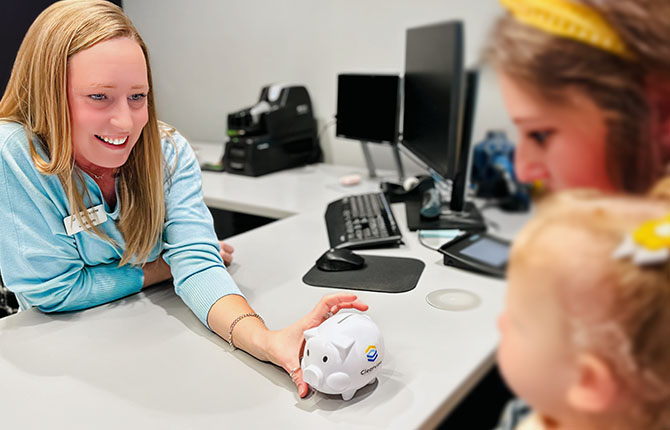
Opening a savings account for your new baby is a simple way to start planning for their future. Even small, regular deposits can grow over time and help support future expenses like education, activities, or unexpected needs.
It’s also a great place to put money your child receives as gifts. Cash from baby showers, birthdays, and early holidays can be deposited directly into their account instead of being spent, helping those gifts grow along with your child.
Wrapping up how to budget for a new baby
Successful financial planning for new parents starts with understanding your specific situation. Tools like the Babycenter.com first-year cost calculator can help establish your family’s costs.
We believe that with the right information and a supportive plan, you can handle these expenses confidently. We hope these financial tips for new parents help you reach your budget goals so you can focus on the joy of your new arrival.